
Making Each Moment Matter
Hospice Care
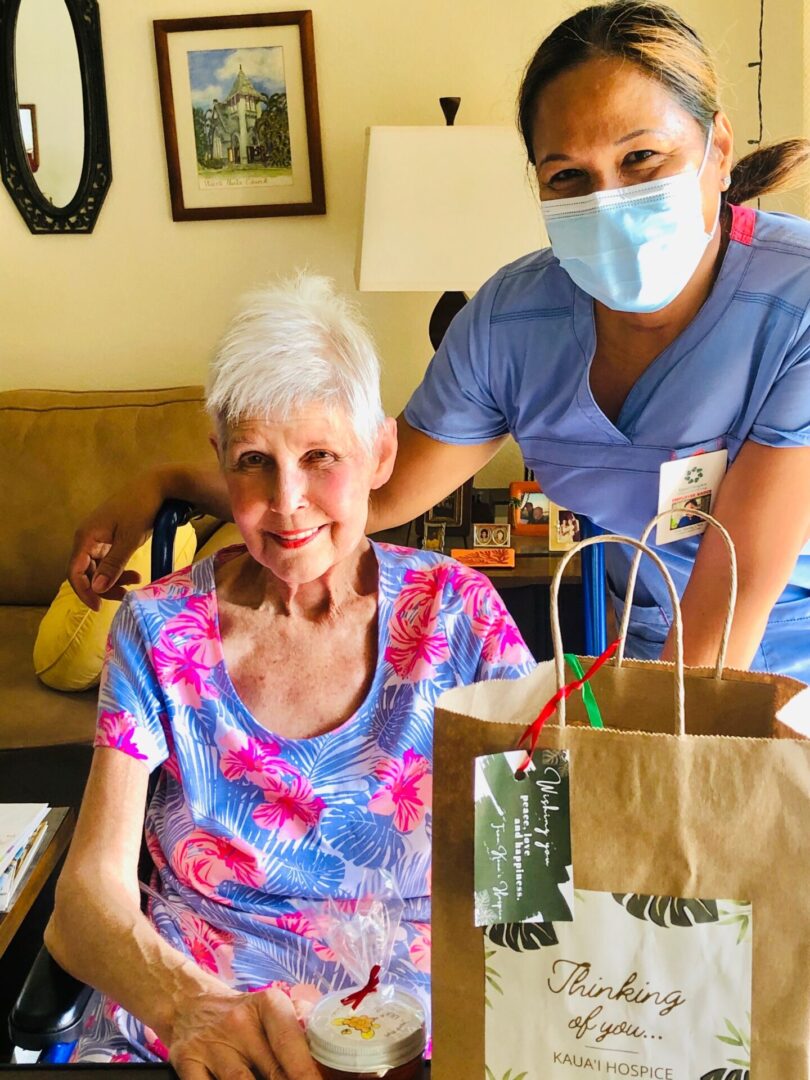
Kaua`i Hospice services include but are not limited to physician’s consultation; nursing care; dietary counseling; medical supplies and equipment; medication for management of pain and other symptoms; short-term hospitalization care; assistance with bathing and activities of daily living; chore service for meal preparation and light housekeeping; physical, occupational and speech therapy; spiritual, emotional and social counseling; grief support; information regarding living wills, power of attorney and funeral arrangements; and general community grief and bereavement counseling, support and education. Care is provided free of charge to the patient and is available 24 hours per day.
Hospice services are available to patients of any age, religion, race, or illness. Typically, a family member serves as the primary caregiver and, when appropriate, helps make decisions for the terminally ill individual. Members of the hospice staff make regular visits to assess the patient and provide additional care or other services. The hospice team develops a care plan that meets each patient’s individual needs for pain management and symptom control.
Services are offered by an interdisciplinary team. The patient and the family, as members of the team, are at the center of all decision-making. Professional services include nursing care, home health aide care, nutritional guidance, social work assistance, family counseling, spiritual support, and bereavement care. Because round-the-clock, hands-on care is the hallmark of the hospice experience, hospice provides trained volunteers to aid the family and patients. Most hospice volunteers are trained to relieve the primary caregivers, do household chores, and help bathe the patients. All of the care provided to the hospice patient is approved and directed by the patient’s personal physician together with the Kaua`i Hospice Medical Director.
Learn more about:
Hospice Care Program
Palliative Care Program
Bereavement Care
Spiritual Care
Volunteer Training & Support
Community & Professional Education
Bereavement Care
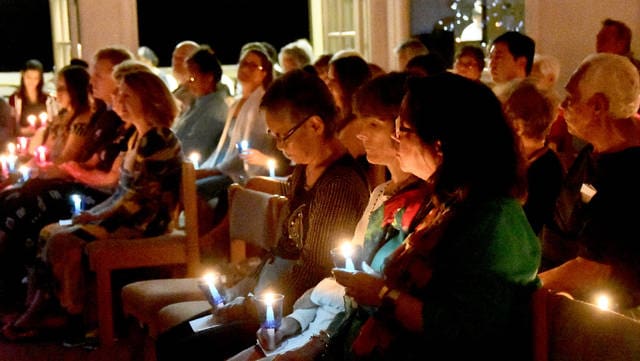
Kaua`i Hospice’s Bereavement Services is a fully integrated part of a full continuum of Hospice services, available without charge to the patient/family.
The Bereavement Care Program is unique, having developed through servicing Kauai’s diverse families and communities over the years. The program has grown to meet the individual needs of the members of a family affected by the patient’s death and now extends to the broader community. Bereavement support is offered to all family members for a minimum of 12 months after the death of their loved one.
Education and support are the keystones of the Bereavement Care Program. It is often difficult for the family and friends who have recently experienced the death of a loved one to understand why the grieving process lasts so long. It is important, therefore, to be counseled about the stages of grieving and to understand that the process may take as long as five years.
Bereavement service begins when a client first experiences the trauma of loss. After the death, one of the first emotional reactions is to shut down or go numb. This acts to cushion emotions during the early stages of overwhelming grief. Even an expected death is a shock. No one can know how a particular loss is going to feel until the loss actually occurs. As the numbness wears off, the bereaved begin to realize what the loss is going to truly mean. This explains why many bereaved persons may feel worse months after a loss. Mourners begin some of their hardest grievings at a point when support received immediately after the death has decreased.
The Bereavement Care Program is open to anyone grieving the death of a loved one, no matter when or where the death occurred. Grief is a very individual process that is greatly influenced by culture and community background. Because of these differences, Kaua`i Hospice provides many kinds of support, including one-to-one support and bereavement care groups.
An Introduction to Palliative Care
The Harry & Jeanette Weinberg Center for Compassion
What is Palliative Care? (pronounced pal-lee-uh-tiv)
Palliative care is specialized medical care for people with serious illnesses. It is focused on providing patients with relief from the symptoms, pain, and stresses of a complex illness—whatever the diagnosis. The goal is to improve the quality of life for both the patient and the family.
Palliative care strives to provide the highest quality holistic care that is patient-centered, and family-focused targeting quality of life issues. Comfort care and symptom management are provided by an integrated multidisciplinary team with the goal of relieving suffering, whether physical, spiritual, or psychosocial.
How is Palliative Care different from other medical services?
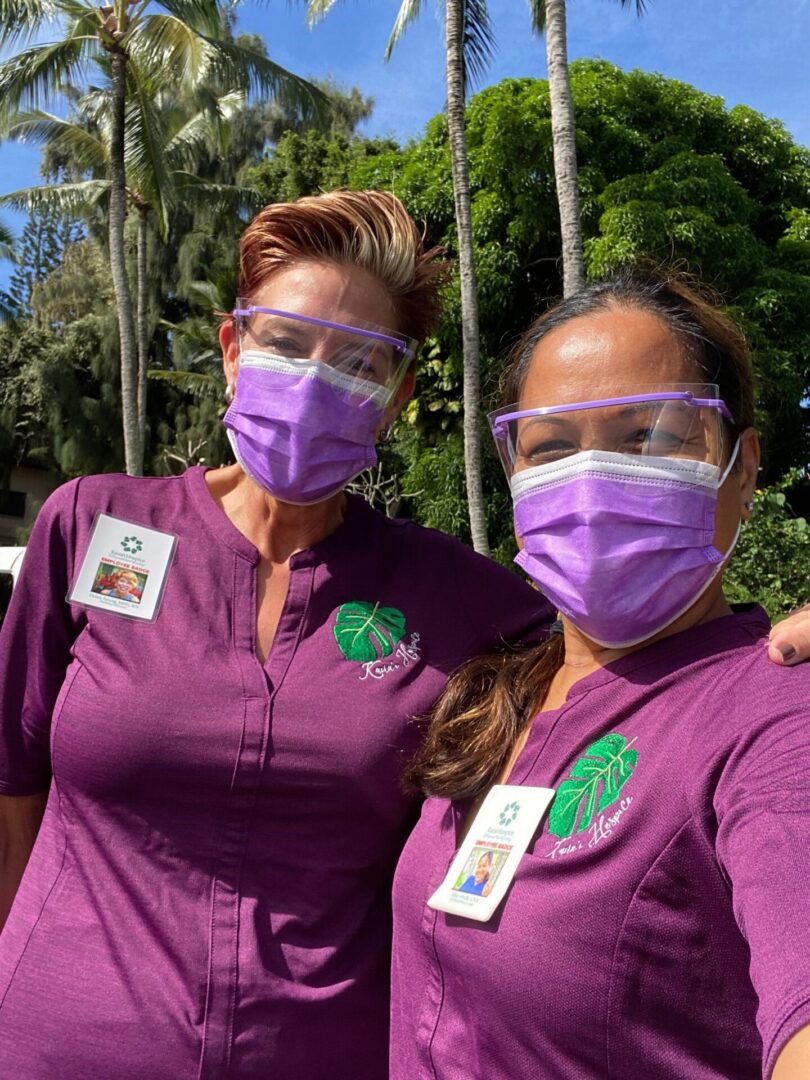
Palliative care is provided by a team: doctors, nurses, social workers, chaplains, and other specialists who work together to provide an extra layer of support. It is appropriate at any age and at any stage in a serious illness and can be provided along with curative treatment. It is different than Hospice care in that it may start at diagnosis, and patients may receive active treatment for their disease.
Who is eligible for Palliative Care?
Palliative Care consults are provided to any patient on Kaua`i and may be covered under health insurance plans. Patients generally have a life-threatening medical condition and are likely to need assistance with symptom management. The patients usually have a complicated medical problem and are suffering from numerous symptoms that need additional management and coordination.
Many patients with HMSA insurance are eligible to participate in a 90-day pilot program for SUPPORTIVE CARE (which is the same as Palliative Care).
Who provides the care if the patient is home-bound?
The caregiver – who may be a member of the family, a friend, or a neighbor – is ultimately responsible for the care of the patient. If family members are unable to care for the patient, they may choose to hire attendant care to assist with the care of the patient. Palliative Care staff may assist the patient and family with finding attendant care if the care of the patient becomes overly difficult. There may also be available community resources available to assist with such care. Individuals without specifically identified caregivers or support will be evaluated for the most appropriate level of care necessary for the delivery of Compassionate Care services.

How is Palliative Care provided?
Your primary physician continues to be involved with your care in addition to the Palliative Medicine Partners, including a physician, nurse, and social worker. The physicians are jointly responsible for coordinating and managing your care. Supportive care is emphasized by the Palliative Medicine Partners, while more aggressive therapy may be provided by your primary physician. The Palliative Medicine Partners are there to make sure that any symptoms, problems, or stresses are addressed as quickly as possible so that the entire medical process can be as comfortable for the patient.
The Palliative Care physician visits the patient initially in the office or at home (depending on patient need) and then as medically appropriate. This physician, along with your primary physician, is responsible for the overall medical management of care and monitors the patient’s overall care on a regular basis.
The Palliative Care nurse works with the patient and family to monitor and supervise the patient’s condition and to teach caregivers how to care for the patient.
The Palliative Care social worker supports the patient and caregiver by listening to and discussing difficult feelings and by assisting with practical matters such as giving resource lists of available community resources.
When is Care provided?
Office and home visits are scheduled during weekday hours. In addition, 24-hour after-hours telephone support is provided.
Medication, Equipment, and Supplies
These items are provided based on the patient’s regular Health Plan benefit.
What if a difficult situation arises?
The caregiver may face very difficult situations. We will provide a 24-hour number to call. This number will put the caregiver in touch with a Palliative Care nurse who will assist over the phone or arrange for a home visit or inpatient care or as necessary.

When will care be provided in an inpatient setting?
If inpatient care is necessary, your primary physician, along with the Palliative Medicine Partners, will help determine the most appropriate inpatient setting based on your needs.
When is the best time to choose Palliative Care? Choosing Palliative Care is a very personal decision. After talking with the primary care physician, the patient should discuss the decision with his or her family and get their support whenever possible. We would recommend that palliative care be initiated as early in the disease process as possible.
For further information, call 245-7277 and request to speak with a Palliative Care doctor or nurse.
PLEASE NOTE: Presently, Palliative Medicine Partners is a program operated through the support of Kaua`i Hospice, Inc.
Spiritual Care
The Harry & Jeanette Weinberg Center for Compassion
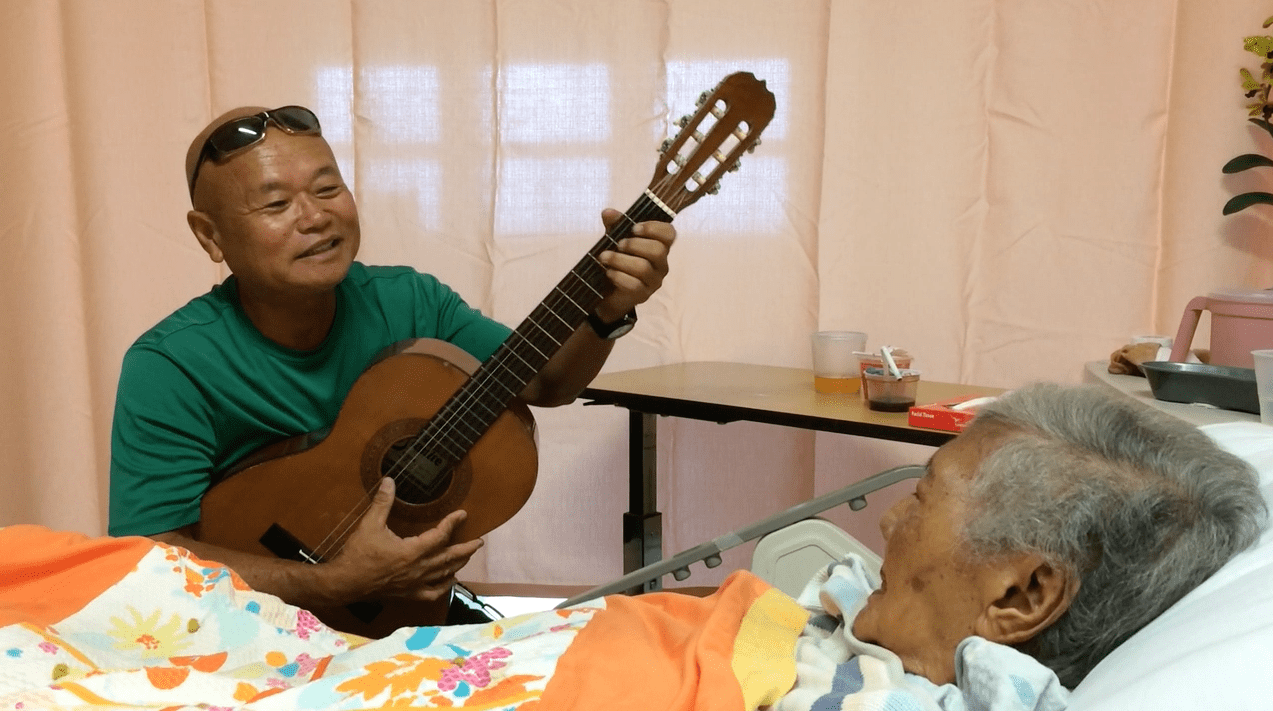
Kaua`i Hospice is committed to helping people find spiritual peace in the faith of their choice. Our Spiritual Care Coordinator serves as a spiritual adviser and works with the island’s interfaith community to make sure every patient’s spiritual wants and needs are met. Our Spiritual Care Coordinator can also provide:
Home visits for conversation, prayer, inspirational and scriptural readings, etc.
Find/arrange specifically requested religious and spiritual rituals, including communion, ceremonial rites, meaningful music, etc.
Assist in life reviews
Officiate or assist with funeral planning
Kaua`i Hospice supports both clergy and congregation by providing comprehensive and sensitive information about difficult topics, such as:
How Hospice Care Works
What You Need to Know About Caregiving
Caregiving: How your faith community can support those caring for loved ones
Grief and Loss
End-of-life Care (issues common to life-limiting illnesses)
Kaua`i Hospice also provides support for faith communities during times of community crisis by facilitating discussion of events and how individuals and faith communities can cope.
For more information on our outreach to faith communities, please contact our Spiritual Care Coordinator.
Community and Professional Education
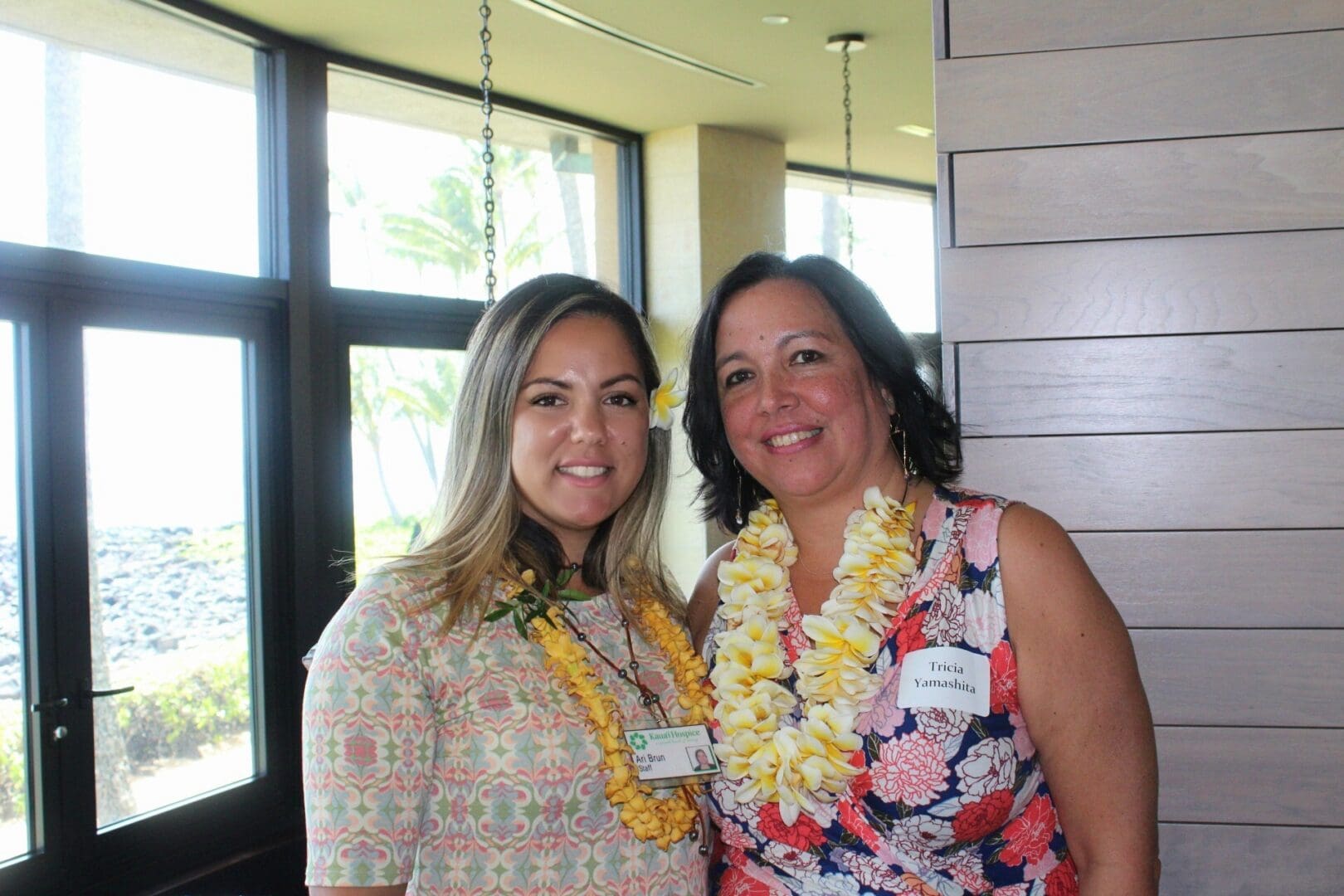
Kaua`i Hospice actively represents the point of view that death is a natural part of life. Kaua`i Hospice reaches out to the community at large as well as the professional community to offer information and education regarding care at the end of life. We serve as a resource on issues related to death, dying, grief and bereavement by sponsoring educational workshops, coordinating volunteer in-service training, attending health fairs, and speaking to community and professional organizations. Kaua`i Hospice works with other human service agencies to provide knowledge and comfort to those in our community facing challenging times.
A sample of presentation topics include:
Hospice Care: An Introduction
Caregiver Questions
Children’s Grief
Volunteering with Kaua`i Hospice
Understanding the Grief Process
The Spirituality of Hospice Care